
"entering Kenya"
2000 article(s) found

The characteristics of Kenyan coffee beans the origin of Kenyan coffee beans
Coffee entered Kenya in the 19th century, when Ethiopian coffee drinks were imported into Kenya through southern Yemen. But it was not until the early 20th century that the Bourbon Coffee Tree was created by the St. Austen Mission (St). AustinMission) is introduced. Kenyan coffee is mostly grown at an altitude of 1500 to 2100 meters and is harvested twice a year. To ensure that only ripe berries are picked, people must be in the forest

A brief introduction to the Development of Fine Coffee beans in the Coffee Variety and Flavor producing area of Berman Manor in Kenya
It entered Kenya in the 19th century, when Ethiopian coffee drinks were imported into Kenya through southern Yemen. But it was not until the early 20th century that the bourbon was introduced by the St. Austen Mission (St.AustinMission). Kenyan coffee is mostly grown at an altitude of 1500m, 2100m, and is harvested twice a year. To ensure that only ripe berries are picked, people must be in the forest

Characteristics of Kenyan coffee beans Kenyan coffee producing areas
It entered Kenya in the 19th century, when Ethiopian coffee drinks were imported into Kenya through southern Yemen. But it was not until the early 20th century that the bourbon was introduced by the St. Austen Mission (St.AustinMission). Kenyan coffee is mostly grown at an altitude of 1500m, 2100m, and is harvested twice a year. To ensure that only ripe berries are picked, people must be in the forest

Introduction to the characteristics of aromatic and full-bodied coffee flavor producing areas of Burman Manor in Kenya
It entered Kenya in the 19th century, when Ethiopian coffee drinks were imported into Kenya through southern Yemen. But it was not until the early 20th century that the bourbon was introduced by the St. Austen Mission (St.AustinMission). Kenyan coffee is mostly grown at an altitude of 1500m, 2100m, and is harvested twice a year. To ensure that only ripe berries are picked, people must be in the forest

Description of Coffee Flavor in Berman Manor, Kenya; introduction to the grindability of fine coffee in producing areas
People in the coffee industry all think that Kenyan coffee is one of its favorite products because Kenyan coffee contains every feeling we want from a good cup of coffee. It has wonderful and satisfying aromas, well-balanced acidity, well-proportioned particles and excellent fruit flavors. The taste is so unique that there is almost no similar coffee. The characteristics of Kenyan coffee

Characteristics of Kenyan coffee beans introduction of Kenyan coffee beans the origin of Kenyan coffee beans
Coffee entered Kenya in the 19th century, when Ethiopian coffee drinks were imported into Kenya through southern Yemen. But it was not until the early 20th century that the Bourbon Coffee Tree was created by the St. Austen Mission (St). AustinMission) is introduced. Kenyan coffee is mostly grown at an altitude of 1500 to 2100 meters and is harvested twice a year. To ensure that only ripe berries are picked, people must be in the forest
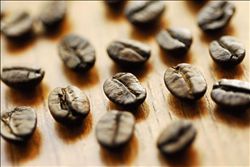
Characteristics of Kenyan coffee beans introduction of Kenyan coffee beans the origin of Kenyan coffee beans
Coffee entered Kenya in the 19th century, when Ethiopian coffee drinks were imported into Kenya through southern Yemen. But it was not until the early 20th century that the Bourbon Coffee Tree was created by the St. Austen Mission (St). AustinMission) is introduced. Kenyan coffee is mostly grown at an altitude of 1500 to 2100 meters and is harvested twice a year. To ensure that only ripe berries are picked, people must be in the forest

Introduction to Kenyan coffee with multi-layered taste and acidity of fruit juice
Kenyan coffee has a multi-layered taste and the acidity of fruit juice, perfect grapefruit and wine flavor, medium mellow. Kenyan Coffee became more famous with the sensation of the Hollywood movie OutofAfrica. It entered Kenya in the 19th century, when Ethiopian coffee drinks were imported into Kenya through southern Yemen. But until the early 20th century, bourbon coffee

[notes of baristas in front street] are different coffee producing areas in Kenya sour?
Is it true that some friends said that Kenyan coffee beans taste like tomato juice? So the editor brought two Kenyan AA beans from different producing areas to compare, they are from Kiambu producing area and Qilin Yaga (Kirinyaga). Needless to say, follow the editor to see the comparison of their basic information and baking methods! Raw bean

The origin of Kenyan coffee beans the price of Kenyan coffee beans the characteristics of Kenyan coffee beans
Coffee entered Kenya in the 19th century, when Ethiopian coffee drinks were imported into Kenya through southern Yemen. But it was not until the early 20th century that the Bourbon Coffee Tree was created by the St. Austen Mission (St). AustinMission) is introduced. Kenyan coffee is mostly grown at an altitude of 1500 to 2100 meters and is harvested twice a year. To ensure that only ripe berries are picked, people must be in the forest
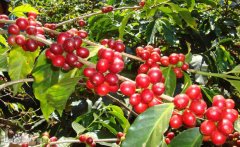
People in the coffee industry all think that Kenyan coffee is one of its favorite products, African coffee.
Coffee entered Kenya in the 19th century, when Ethiopian coffee drinks were imported into Kenya through southern Yemen. But it was not until the early 20th century that the Bourbon Coffee Tree was created by the St. Austen Mission (St). AustinMission) is introduced. Kenyan coffee is mostly grown at an altitude of 1500 to 2100 meters and is harvested twice a year. To ensure that only ripe berries are picked, people must be in the forest
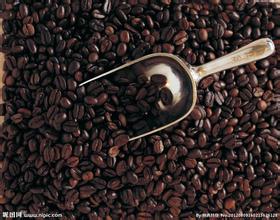
The characteristics of Kenyan coffee beans the types of coffee beans introduce how much coffee beans cost per jin
Coffee entered Kenya in the 19th century, when Ethiopian coffee drinks were imported into Kenya through southern Yemen. But it was not until the early 20th century that the Bourbon Coffee Tree was created by the St. Austen Mission (St). AustinMission) is introduced. Kenyan coffee is mostly grown at an altitude of 1500 to 2100 meters and is harvested twice a year. To ensure that only ripe berries are picked, people must be in the forest

Value chain Analysis of Kenyan Coffee Fine African Coffee beans
In the processing stage of coffee beans in the upper reaches of the industry, auction and marketization are the two most important issues. There are only five mills in Kenya, and KPCU manages the largest one and controls about 70% of its production revenue. For the auction phase, until 2002, the Kenya Coffee Commission (Coffee Board of Kenya) was the only auction agent. twenty

African washing treatment of Kenyan coffee beans flavor and taste characteristics of Kenyan K72 treatment
Professional coffee knowledge exchange more coffee bean information Please follow the coffee workshop (Wechat official account cafe_style) A few days ago, street coffee just entered the washing of three different cooperatives in Kenya. When it comes to Kenyan coffee, what is unforgettable is its strong sour taste, distinct fruit flavor and rich flavor.
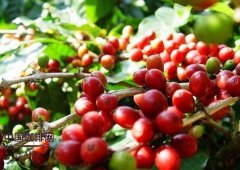
African boutique coffee A rare good coffee-famous for its rich aroma and balanced acidity
Coffee entered Kenya in the 19th century, when Ethiopian coffee drinks were imported into Kenya through southern Yemen. But it was not until the early 20th century that the Bourbon Coffee Tree was created by the St. Austen Mission (St). AustinMission) is introduced. Kenyan coffee is mostly grown at an altitude of 1500 to 2100 meters and is harvested twice a year. To ensure that only ripe berries are picked, people must be in the forest

Introduction of Kenyan AA Ichamama Fine Coffee Bean Information Analysis of Kenyan Coffee Bean Baking
Professional coffee knowledge exchange more coffee bean information please follow the coffee workshop (Wechat official account cafe_style) Kenya coffee _ Kenya coffee beans _ Kenya coffee brand boutique coffee manor production area Ichamama Wet Mill is located in more than the Othaya Farmers cooperative in Karuthi District, 1800masl High Nyrei City, this area not only grows coffee, but also has tea coffee beans.

Out of Africa, Kenyan coffee beans, fruit flavor, Kenyan aa coffee, inexpensive, excellent quality.
Professional coffee knowledge exchange more information about coffee beans Please follow the coffee workshop (Wechat official account cafe_style) entered Kenya in the 19th century, when Ethiopian coffee drinks were imported to Kenya through South Yemen. But it was not until the beginning of the 20th century that the bourbon coffee tree was saint. The Austin Mission (St.AustinMission) was introduced. Most Kenyan coffee beans grow at altitude 1.
Which manor is the Kenyan Kam Chu Valley coffee? how expensive is it? Flavor description production area is special
It entered Kenya in the 19th century, when Ethiopian coffee drinks were imported into Kenya through southern Yemen. But it was not until the early 20th century that the bourbon was introduced by the St. Austen Mission (St.AustinMission). Kenyan coffee is mostly grown at an altitude of 1500m, 2100m, and is harvested twice a year. To ensure that only ripe berries are picked, people must be in the forest

What is the difference between the AA Sika production area in Kenya and the Gachatha processing plant in Nyeri, Kenya?
What is the difference between the AA Sika production area in Kenya and the Gachatha processing plant in Nyeri, Kenya? Gachatha Gachasha production area Ichamama Wet Mill is located in more than the Othaya Farmers cooperative in Karuthi District of 1800masl High Nyrei City. This area not only grows coffee but also has tea. Coffee beans are mainly SL28,SL34, a small amount of Ruiru 11, Batian, G

The best time to test a cup of coffee is how long after baking the introduction of the most traditional flavor of Kenyan coffee
For the exchange of professional baristas, please follow the coffee workshop (Wechat official account cafe_style) Kenya AA Topkarotu Kenya Karogoto AA Top this year is definitely a year of coffee explosion in Kenya, not only new stars like Gondor introduced before, but also some established processing plants are more delicate and rich in the presentation of flavor. Domestic bean merchants H and P have entered the card.